Lawn Mowing in Edmonton
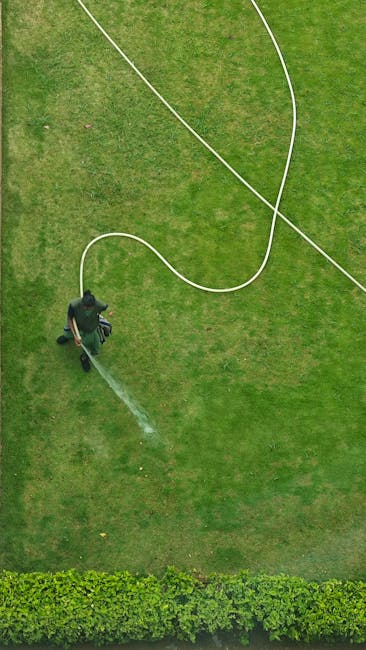
Lawn Mowing Edmonton provides a clear, practical service for keeping domestic and commercial grass areas tidy, level and ready to use. The focus is on regular mowing carried out with attention to cut quality, edging where needed and a finish that suits the season and the condition of the lawn. For many customers, the value lies in consistency: grass is cut at the right height, clippings are managed appropriately and the site is left looking cared for rather than merely shortened.
Our lawn mowing service is built around the needs of the property rather than a one-size-fits-all approach. Some gardens need a straightforward routine cut, while others need more careful handling because of growth patterns, access or mixed surfaces. We can also combine mowing with garden maintenance when the grass is only one part of a wider outdoor space that needs keeping under control. If you are comparing service levels, our services overview is a useful place to see how the main work fits together.
For customers who want their outside space to stay manageable through the growing season, the main aim is simple: a neat result without unnecessary complication. Regular lawn care can help maintain a uniform appearance, while occasional cuts may be better for properties that are not used every week. If the area has become overgrown, more than one visit may be needed to bring it back into shape. Request a quotation when you are ready, and we can discuss the most suitable level of mowing for your property.
Routine mowing for neat, even grass
Routine mowing is the backbone of most lawn care arrangements. It is suited to lawns that are already manageable and need a repeat cut to maintain shape, density and presentation. A good routine cut takes account of the current growth, the season and the surface beneath the grass, because the right finish can vary from one property to the next. The work is not just about shortening blades; it is about keeping the lawn in a condition that supports ongoing care.
In practice, that means cutting at a sensible height, avoiding harsh removal of growth and reducing the risk of a stressed or patchy appearance. Lawns that are cut too low can look neat at first but may recover poorly, especially when growth conditions change. A more measured approach can help the grass hold colour and structure for longer. Where helpful, we can combine mowing with lawn mowing as the core task and shape the visit around the size and condition of the area.
There are a few details that usually matter most when arranging this kind of work: the size of the lawn, whether the grass is level or uneven, whether there are obstacles to work around and whether the cut is part of a larger maintenance plan. Those factors influence the time required and the type of finish that makes sense. They also help define whether the service should be occasional, seasonal or regular. Clear information up front makes it easier to quote sensibly and plan the work properly.
Handling longer grass and more demanding growth

Longer grass needs a different approach from a routine tidy-up. Where growth has been left for a while, mowing may need to be carried out in stages so the lawn is not cut too aggressively in one visit. This can help protect the turf and produce a better finish than forcing the grass down in one pass. The aim is to improve the condition of the lawn without creating stress, scalping or an uneven result that is difficult to correct later.
Some lawns have a mixture of strong growth, thinner patches and uneven edges, which means the cut has to be judged carefully. In those cases, the mowing plan may need to allow for a lighter first cut, followed by a more settled finish once the grass has recovered. Where the garden also has borders, paths or planted areas that affect access, the method and sequence of work matter as much as the machine used. For customers who want broader outdoor care alongside mowing, garden clearance can be relevant when the site contains more than just grass.
Helpful preparation usually comes down to straightforward information rather than lengthy lists. It helps to know the approximate size of the lawn, whether the grass is currently short or overgrown, and whether there are gates, narrow side passages or awkward sections to reach. If there are any areas that should be avoided, that should be mentioned as well. With those details, it becomes easier to judge the work accurately and recommend the right type of visit. Ask for a quotation whenever you are ready to move forward.
Edging, tidying and the finish around the lawn
Good mowing is often judged by the edges as much as the middle of the grass. A tidy border can make a lawn look much more intentional, especially where it meets paving, beds, paths or fences. Edging is not always needed every time, but when it is included it gives the cut a cleaner overall line and helps define the shape of the garden. The result is often more pleasing than a cut that stops short of the detail work.
This finishing stage can be particularly useful on properties where the lawn is visible from the front of the home or forms part of a more formal garden layout. A crisp edge can improve the appearance without changing the nature of the space. If the grass meets shrubs or hedges, a coordinated visit may be worthwhile. Hedge trimming can sit naturally alongside mowing when the wider planting needs shaping as well. The key is to choose the elements that genuinely improve the final look.
It is also worth considering how much of the job is about presentation versus simple upkeep. Some lawns need only the basic cut, while others benefit from a neater perimeter and a slightly more considered finish. That difference affects both the time involved and the level of detail in the quote. A lawn can be maintained efficiently without overdoing the extras, but small finishing touches often make the service feel complete. If you are planning a broader refresh, an enquiry can start with just the essentials and expand from there.
Keeping lawns in step with wider garden care
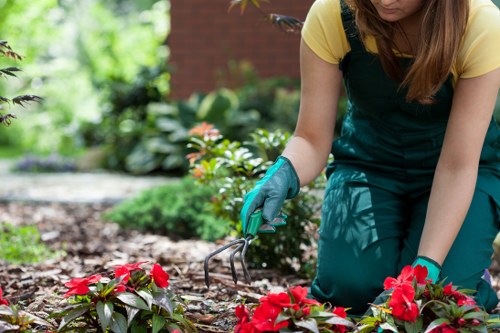
Mowing works best when it is considered as part of the wider condition of the garden. If the lawn is one element among borders, shrubs, paved areas and seasonal growth, the service may need to fit around other tasks so the whole space feels coherent. That might mean cutting the lawn before other maintenance work, or spacing visits so the grass stays manageable without becoming the only focus. A balanced plan often gives the best practical result.
Where there is more than just grass to think about, regular maintenance can be a better fit than isolated visits. A garden can quickly feel untidy if the lawn is cut but surrounding growth is left unchecked. In that setting, garden maintenance supports the mowing by dealing with the rest of the outdoor space in a consistent way. For properties with a more landscaped layout, landscape gardening may also be relevant when there are more substantial planting or layout elements to manage.
The aim is not to complicate the job but to make sure the lawn service complements the rest of the space. Some customers want a straightforward cut because the garden is already well kept; others need the mowing to fit into a broader tidy-up. Both are valid, but they call for different planning. A sensible quotation reflects that wider context rather than treating every lawn as identical. If you want the grass handled as part of an ongoing plan, that can be set out when you enquire.
What affects the quotation for mowing
Quotation for lawn mowing is usually shaped by the practical details of the site. The main influences tend to be lawn size, ease of access, whether the grass is regular or overgrown, and how much finishing work is needed around edges and boundaries. A small, open lawn that needs a simple cut will naturally differ from a larger or more awkward area. The best quotations are the ones that reflect the actual work, not a rough assumption.
Other factors can include whether clippings need to be collected, whether there are multiple lawn sections and whether the job is a one-off visit or part of a repeat arrangement. A property with separate front and back areas may take longer than it first appears, especially if equipment has to be moved through narrow access points. For related pricing information, pricing and quotes is the most relevant page to review. It can help frame what a clear quotation should cover.
Useful details usually include the approximate lawn dimensions, the current condition of the grass and any access points that could affect the work. If the lawn has steep sections, awkward corners or mixed surfaces, those are worth mentioning too. The more accurately the work is described, the more dependable the quotation can be. That is especially important where the lawn is not in routine condition and may need a slower or more careful approach. A brief enquiry is enough to begin the process.
Careful work around trees, borders and mixed outdoor spaces
Lawns are often part of a more complex setting, with trees, planted borders and boundary features all affecting how the mowing is carried out. Good work in these spaces means paying attention to the edges and avoiding unnecessary disturbance to nearby planting. Where grass grows close to tree bases or around denser planting, the cut may need a bit more care so that the finish looks deliberate and the surrounding areas are left in good order.
In gardens where trees are a notable feature, mowing sometimes sits alongside other work that shapes the whole space. If overhanging branches, dense canopies or obstructive growth are creating practical difficulties, tree lopping and removal may be relevant, though only where that service is genuinely needed. For the majority of lawns, the focus remains on achieving an even result around existing features without causing damage or taking shortcuts that leave the garden looking unfinished.
There is also a difference between routine mowing and handling a garden where several elements have become untidy at once. In a mixed space, the mower has to work with the layout rather than against it. That may affect the order of tasks, the size of the cut in certain areas and how the final tidy-up is completed. These practical points are best considered before work begins so the service matches the property and not just the grass itself.
About Edmonton
Edmonton is a district in north London, within the London Borough of Enfield, and it has a long history that predates the modern suburban landscape seen today. The name is often associated with the River Lea corridor, which has influenced movement, industry and settlement over time. Much of the area developed through a layered mix of older village origins, Victorian expansion and twentieth-century housing, leaving a varied streetscape rather than a single uniform character. Buildings and street patterns still reflect those different phases of growth, with main roads, residential terraces and estate layouts sitting alongside older local landmarks. Edmonton Green is one of the best-known centres, combining transport links, retail activity and open public space. The area is also linked to the Lee Valley and nearby waterways, which contribute to the sense of a place shaped by both urban development and the natural course of the valley. Cultural life in Edmonton is similarly mixed, with everyday shopping streets, community facilities and local parks forming part of its day-to-day identity. For many people, the area is defined not by one landmark but by the combination of historic layers, practical amenities and its position within the wider north London network.
Garden clearance and larger seasonal tidy-ups
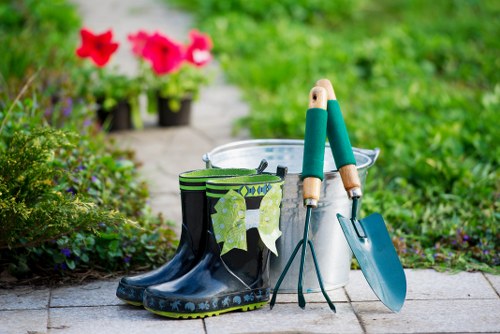
Some mowing requests are part of a broader need to regain control of an outdoor area that has been left for too long. In those cases, the lawn may not be the only issue. Fallen material, awkward growth, dense patches and neglected corners can all affect how the space is approached. A more substantial tidy-up may begin with clearing back the worst of the growth so the grass can be accessed properly and cut in a sensible way afterwards.
Garden clearance is relevant when the garden needs more than routine upkeep, while landscaping may be the better route if the overall layout is being altered as part of a wider improvement. The distinction matters because not every untidy garden needs the same response. Some spaces only need a focused reset before returning to normal mowing, while others require a more involved plan to bring them back into regular use.
The right decision depends on the condition of the site and the outcome the customer wants. A straightforward mowing visit is ideal when the lawn is already workable; a larger tidy-up is better when access and visibility are limited by growth or debris. It is often sensible to begin with the most pressing issue first, then decide whether the lawn can move into a regular schedule afterwards. That approach keeps the work practical and avoids paying for services that are more extensive than the garden actually needs.
How to prepare for a mowing quotation
When you ask for a quotation, the most helpful thing is a clear description of the lawn and how it is used. It is useful to mention whether the grass is front, rear or side garden space, whether there are multiple sections and whether any parts are particularly hard to reach. If the lawn is currently short and manageable, that is important; if it has become dense or overgrown, that should be noted as well. These facts help shape an accurate price.
If photographs are available, they can support the description, especially where the garden has corners, slopes or access issues. However, the quotation should still be based on the actual work required rather than on general assumptions. Contact us when you are ready to share the details, and include any points that may affect the visit, such as locked gates, narrow side access or areas that should not be cut. A concise message is usually enough to begin.
Final decisions often come down to simple questions: do you need one cut, a seasonal tidy or a repeat arrangement? Is the lawn just looking untidy, or does it need more work to get back to a good standard? Answering those questions before the quotation stage helps keep the service focused. If you would like to discuss the mowing itself rather than the wider garden, that is fine too. Ask for a quotation today and provide the basic details, so the response can reflect the real scope of the work.
Additional support for maintained outdoor spaces

Not every lawn stands alone. Many properties need a combination of mowing and lighter upkeep to stay presentable across the season. That can include trimming back growth that is encroaching on the lawn, removing clutter that makes cutting awkward or adjusting the overall maintenance pattern so the site does not fall behind again. In that setting, mowing becomes part of a broader routine rather than a one-off event.
Where grass is only one part of the site, a customer may also benefit from related services such as hedge trimming or garden maintenance. The aim is to choose the work that genuinely supports the lawn rather than adding unnecessary extras. A neat lawn beside untidy edges rarely feels complete, while a well-kept border can make even a simple cut look more finished. The right mix depends on the property and how much ongoing care it needs.
If you are comparing options, it can help to think in terms of outcomes rather than tasks. Do you want the grass cut, the edges improved, the overgrowth reduced or the whole garden kept on a routine schedule? Once that is clear, the quotation can be tailored properly. There is no need to overcomplicate the first step. A plain enquiry with the essentials is enough, and if you want to move ahead, request a quotation now and we will take it from there.