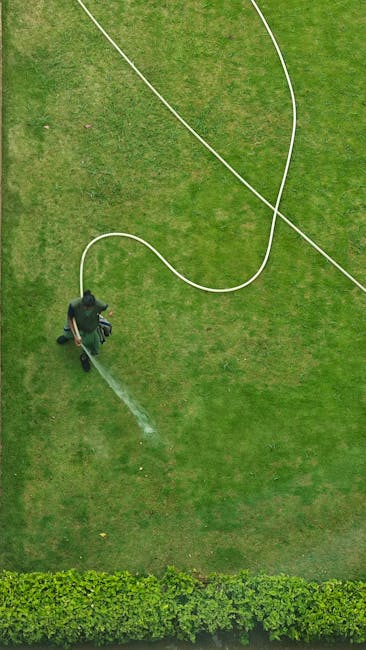
Edmonton Green gardeners for small urban lawns: a practical guide for compact city gardens
If you have a small urban lawn in Edmonton Green, you already know the pattern: a patch of grass that should be simple to manage somehow becomes the bit of the garden that always needs attention. One week it looks neat enough, the next it is patchy, slippery, or edged by weeds that seem to arrive overnight. That is exactly where Edmonton Green gardeners for small urban lawns can make a real difference. Not by overcomplicating things, but by understanding how limited space, shade, foot traffic, bins, fences, pets, and awkward access all shape the way a compact lawn should be maintained.
This guide breaks down what small-lawn care actually involves, how a local gardener typically approaches it, what results you should expect, and how to avoid the common mistakes that make tiny lawns look tired. If you are comparing services, you may also find it useful to look at the services overview and the pricing and quotes page for a clearer sense of what is usually included.
Let's face it, a small lawn should be an asset, not a weekend chore that eats up your good mood. And in a busy part of North London, that matters more than people think.
Table of Contents
- Why Edmonton Green gardeners for small urban lawns Matters
- How Edmonton Green gardeners for small urban lawns Works
- Key Benefits and Practical Advantages
- Who This Is For and When It Makes Sense
- Step-by-Step Guidance
- Expert Tips for Better Results
- Common Mistakes to Avoid
- Tools, Resources and Recommendations
- Law, Compliance, Standards, or Best Practice
- Options, Methods, or Comparison Table
- Case Study or Real-World Example
- Practical Checklist
- Conclusion
- Frequently Asked Questions
Why Edmonton Green gardeners for small urban lawns Matters
Small urban lawns are not just smaller versions of suburban grass. They behave differently. They dry out faster in exposed spots, compact more easily where people walk, and often sit between hard surfaces that bounce heat around in summer. In Edmonton Green, that can mean a lawn with thin patches near paving, moss in shaded corners, or edges that get battered by bins, bikes, and the simple business of everyday life.
That is why using gardeners who understand small urban lawns is valuable. They can read the space properly. They know that a lawn of a few square metres does not need the same treatment as a larger garden. Mowing height, edging, watering, feeding, scarifying, and weed control all need to be scaled sensibly. Too much intervention can be just as unhelpful as too little.
There is also a visual point. In a compact garden, the lawn often takes up a much larger share of what you actually see from the house. A tidy, level, healthy patch of grass can make the whole place feel calmer. One slightly rough edge, though, and the whole garden starts to look neglected. Funny how that works.
For householders who want dependable help rather than a generic garden tidy-up, it is worth understanding the broader service structure too. The service overview is useful because it shows how lawn care usually sits alongside other garden maintenance tasks, rather than being treated as a one-off chore.
How Edmonton Green gardeners for small urban lawns Works
Good lawn care starts with a quick assessment. A local gardener will usually look at grass type, sunlight, shade, drainage, access, and the amount of wear the lawn gets. That first look matters more than people expect. A small lawn under a tree needs a different approach from a sunny front strip that gets mown every week.
From there, the work usually follows a practical rhythm:
- Inspect the lawn for thick thatch, bare spots, weeds, moss, and uneven growth.
- Agree the service level - simple mowing, edging, mowing plus tidying, or ongoing maintenance.
- Choose the right mowing height so the grass is trimmed without being scalped.
- Edge carefully along paths, fences, borders, and steps to create a clean finish.
- Deal with clippings responsibly, either collecting or mulching them depending on the garden and the agreed method.
- Return regularly at a sensible schedule so the lawn stays stable rather than swinging between overgrown and overcut.
For compact gardens, the little details matter. A decent gardener will work around clotheslines, sheds, shared access, planter beds, and narrow side paths without trampling everything in sight. That sounds obvious, but in real life it is where many rushed jobs go sideways.
If you are unsure how quotes are usually structured, the pricing and quotes page is a sensible place to start. Transparent quoting tends to make the service much easier to compare, especially if you are looking after a front garden, a back yard, or both.
Key Benefits and Practical Advantages
Small lawn care is not only about appearances. The benefits are practical, and some are more noticeable after a few visits than on day one.
- Better curb appeal - A tidy lawn makes even a modest terrace or maisonette garden look cared for.
- Less patchiness - Correct mowing height and regular maintenance help grass recover better.
- Improved safety - Shorter, even grass reduces the risk of slipping on damp overgrowth or tripping on hidden edges.
- Less weed pressure - A healthier lawn competes better with dandelions, clover, and other common intruders.
- Less weekend stress - You do not need to keep dragging out the mower for a job that should really be quick and tidy.
- More usable space - In a small garden, every square metre matters. A neat lawn makes the garden feel larger.
There is also a small but real emotional benefit. A well-kept lawn quietly changes how the space feels. You notice it when you open the back door on a damp morning and see something green, neat, and under control. Not perfect. Just looked after.
If sustainability matters to you, you may want to read more about recycling and sustainability practices. Some homeowners prefer clippings to be managed in a way that reduces waste and keeps the garden tidier overall.
Who This Is For and When It Makes Sense
Edmonton Green gardeners for small urban lawns are a good fit for a wide range of households. In practice, the people who benefit most tend to be those with limited time, awkward access, or lawns that need a steadier routine than they can manage themselves.
This is often the right choice if you are:
- living in a terrace, flat, maisonette, or compact house with a small front or back lawn
- managing a lawn that is shaded, uneven, or prone to moss
- trying to improve a tired patch of grass without major landscaping
- looking for regular mowing rather than occasional panic-cutting
- preparing a rental property, sale, or simply a garden refresh
- unable or unwilling to store and use lawn equipment yourself
It also makes sense if the lawn is only part of a wider garden, and you want the whole space kept presentable without every task landing on your shoulders. Some people just want the place looking decent on a Friday afternoon before guests arrive. Fair enough.
A small urban lawn is often more about consistency than ambition. If your grass area is tiny, patchy, and bordered by paving or beds, the right gardener can keep it looking composed without overworking it.
Step-by-Step Guidance
If you are thinking about hiring help or improving your own routine, the simplest way to approach a small lawn is to work methodically. No drama. No guesswork.
1. Measure the space and notice the conditions
Before anything else, look at the lawn as it really is. Is it rectangular, narrow, or awkwardly shaped? Does one side get sun while the other sits in shade for most of the day? Does water pool after rain? These details shape every other decision.
2. Decide what outcome you want
Some people want a clean, neat cut and nothing more. Others want edging, weed reduction, moss management, and a plan to gradually improve the grass. If you are clear from the start, you are much more likely to get the right service.
3. Set a sensible mowing rhythm
Small lawns usually do better with regular, light cuts rather than letting grass grow long and then hacking it back. That approach avoids stress on the turf and keeps the finish tidier. In warmer months, growth can surprise you. One week it looks fine, then suddenly it has that shaggy look by the fence line.
4. Keep edges under control
Edges can make or break the look of a small lawn. A neat perimeter instantly makes the grass feel more intentional. This matters especially where lawn meets paving, gravel, raised beds, or the narrow strip along a path.
5. Look after the soil, not just the surface
If a lawn is compacted or thin, mowing alone will not fix it. Aeration, overseeding, and sensible feeding may be needed at the right time. A good gardener will not pretend every issue can be solved with a quick trim. Truth be told, that is where the real work begins.
6. Review after a few visits
After a couple of appointments, check whether the lawn is looking better, easier to maintain, and less stressed. If the grass is browning at the tips or the edges are messy, the routine may need adjusting. A small lawn gives quick feedback, which is helpful if you are willing to actually look.
Expert Tips for Better Results
Small lawns reward restraint. That is probably the biggest expert lesson. People often want to "do more" to make the lawn better, but the smartest move is often to do less, more carefully.
- Do not cut too short. Scalping a lawn in a tight urban setting can make it weaker, not tidier.
- Leave a little growth during dry spells. Taller grass holds moisture better and looks less tired.
- Trim around the lawn before mowing. It creates a sharper result and avoids those awkward ragged edges.
- Clear the surface first. Toys, stones, branches, and stray bits of debris can damage blades and create a poor finish.
- Watch the shade. If moss keeps returning, it may be a light and drainage issue rather than a mowing issue.
- Consider seasonal timing. Early spring and autumn often call for different treatment from the high-growth weeks of late spring.
A useful rule of thumb: if the lawn looks smooth from the kitchen window but rough when you step outside, edges and height are probably the first things to fix. A surprising amount of the "mess" in a small garden is visual rather than structural.
If you want to understand how service quality and safety are handled, the health and safety policy and insurance and safety information are worth reading. That extra reassurance matters, especially where equipment is used in tight spaces.
Common Mistakes to Avoid
Most small lawn problems are not dramatic. They are just the result of a few repeated mistakes. The good news? They are usually fixable.
- Cutting too much at once - A big haircut can shock the grass and leave it looking thin.
- Ignoring the edges - Even a neat cut looks unfinished if the borders are scruffy.
- Using the wrong mower for the space - Oversized machines can be awkward in narrow or enclosed gardens.
- Letting clippings sit in damp piles - That can smother grass and create a messy, sour smell after rain.
- Trying to fix shade with more mowing - Moss and thin patches usually need a broader response.
- Waiting too long between visits - Small lawns become harder to restore when growth runs away from you.
Another common issue is assuming every lawn needs the same treatment. It does not. A tiny, heavily used patch near a rear gate is a different animal from a decorative front lawn. Same plant, different life.
And yes, there is such a thing as being too enthusiastic with the strimmer. We have all seen the aftermath.
Tools, Resources and Recommendations
For small urban lawns, the best tools are usually the ones that let you work cleanly and lightly. You do not need a giant arsenal. In fact, that can make things harder.
| Tool or Resource | Best Use | Why It Helps on a Small Lawn |
|---|---|---|
| Hand or compact rotary mower | Regular mowing in tight spaces | Easier to manoeuvre and less likely to damage borders |
| Trimmer or edging tool | Finishing borders and awkward corners | Gives the lawn a sharper outline |
| Leaf rake | Clearing debris and light thatch | Helps the grass breathe without heavy disturbance |
| Soil aerator or garden fork | Relieving compaction | Useful where foot traffic is constant |
| Overseed mix suited to shade or wear | Repairing thin patches | Supports better coverage in challenging spots |
| Local service guide | Comparing options | Helps you understand what a gardener can realistically provide |
If you are comparing service expectations, the services overview can help you separate basic lawn mowing from more complete garden care. That saves time, and frankly, stops you buying more than you need.
For households that like smooth transactions and clear administration, the payment and security page explains how service payments are handled. Small details, but reassuring ones.
Law, Compliance, Standards, or Best Practice
For ordinary domestic lawn care, the main concern is not legal complexity. It is good practice. Still, trust matters, and it is sensible to choose a gardener or lawn care provider who works safely, communicates clearly, and handles customer information and site access responsibly.
In the UK, reputable service providers usually follow sound practices around equipment use, public liability insurance, safe access, and waste handling. They should also be clear about how they work on your property, especially if tools, gates, side passages, or shared areas are involved. If any part of the job involves risk, you want it managed properly rather than casually shrugged off.
Where relevant, it is reasonable to look for information on:
- insurance and safety practices
- health and safety procedures
- clear pricing and written quotes
- payment security
- recycling or responsible green waste handling
Those pages are not just formalities. They tell you something about how a business operates when things are ordinary, and how it behaves when something is not. If you want a feel for that, the site's health and safety policy, insurance and safety information, and recycling and sustainability guidance are all worth a look.
For accessibility and fair-use information, some readers also appreciate checking the accessibility statement. It is a small sign that the business is thinking about how people actually use a website and service. Nice touch, really.
Options, Methods, or Comparison Table
If you are deciding how to look after a small lawn in Edmonton Green, the choice is usually between doing it yourself, booking occasional help, or arranging regular garden maintenance. Each can work, but they suit different households.
| Approach | Best For | Pros | Trade-offs |
|---|---|---|---|
| DIY mowing | Very small, simple lawns and hands-on homeowners | Full control, flexible timing, lower ongoing cost | You need equipment, time, and the willingness to keep up with it |
| Occasional gardener visits | Lawns that only need help now and then | Good for seasonal tidy-ups and catch-up work | Results can drift if visits are too irregular |
| Regular maintenance service | Busy households, rental homes, and lawns that need consistency | Reliable appearance, less stress, better long-term shape | Ongoing commitment and routine scheduling |
For many small urban gardens, regular maintenance wins simply because it prevents the lawn from becoming a problem in the first place. Not glamorous, but effective. The boring option is often the best one here.
Case Study or Real-World Example
Picture a small rear garden in Edmonton Green: a narrow lawn, a slabbed path along one side, a fence line on the other, and a few shaded patches where grass has thinned out. The owner has been mowing it themselves every few weeks, but the result always looks slightly ragged. The mower struggles near the edges, the grass grows faster after rain, and by the time the bins have been dragged out a few times, the whole area looks a bit tired.
A local gardener would usually start by cleaning up the edges and getting the mowing height back under control. Then they would assess whether the thin patches are caused by shade, compaction, or both. If the ground is firm underfoot, aeration may help. If the shade is the bigger issue, a more suitable seed mix and a lighter maintenance schedule may be recommended.
After a couple of visits, the improvement is often more about neatness and stability than dramatic transformation. The lawn becomes easier to keep. The owner stops feeling like the garden is "getting away from them." That is the real win.
Practical takeaway: on a small urban lawn, the best results usually come from consistent, careful maintenance rather than heavy-handed intervention. Keep it tidy, keep it light, and adjust for shade and wear instead of fighting them.
Practical Checklist
Use this quick checklist before booking or starting work on a small lawn.
- Measure the lawn or describe its size clearly
- Note shaded areas, puddling, or bare patches
- Decide whether you need mowing only or fuller lawn care
- Check access points, gates, and side passages
- Ask how clippings are handled
- Confirm whether edging is included
- Ask about regular schedules versus one-off visits
- Review pricing and payment terms in advance
- Look for safety and insurance information
- Ask what to do before the visit, such as clearing toys or debris
If you like having everything laid out plainly, the pricing and quotes page can help you prepare the right questions before you commit. Saves faffing about later.
Conclusion
Small urban lawns in Edmonton Green can look deceptively easy, but they benefit most from steady, thoughtful care. The right gardener understands that these spaces need precision more than brute force. A careful mow, a clean edge, and a sensible routine can completely change how a compact garden feels day to day.
Whether you are dealing with patchy growth, awkward access, shade, or simply too little time, the smartest move is usually to choose a service that understands small spaces properly. Not every lawn needs a grand plan. Sometimes it just needs someone who knows how to keep it quietly, consistently in shape.
Get a free quote today and see how much you can save.
If you are ready to make the garden feel easier again, start with one small step and build from there. A tidy lawn has a calming effect that is hard to fake, and once it is sorted, you really do feel it every time you look outside.
Frequently Asked Questions
What do Edmonton Green gardeners for small urban lawns usually provide?
They usually provide mowing, edging, tidying, and sometimes more detailed lawn care such as aeration, overseeding, or seasonal maintenance. The exact service depends on the garden and the agreement.
How often should a small urban lawn be cut?
That depends on growth, weather, and use, but small lawns generally do better with regular light cuts rather than being left for long periods. In peak growth, more frequent visits are often needed.
Is it worth hiring a gardener for a very small lawn?
Yes, especially if the lawn is hard to keep tidy, sits in shade, or needs better edging. Even a small patch can make a big visual difference to the whole garden.
What problems are common in small city lawns?
Compaction, patchiness, moss, weeds, and uneven growth are all common. Foot traffic and shade tend to be the main reasons, not just poor mowing.
Can a gardener help improve a lawn that looks tired or thin?
Usually, yes. A gardener can assess whether the issue is mostly mowing, drainage, shade, soil compaction, or a mix of factors, then suggest the most suitable fix.
Do I need to prepare the garden before a visit?
It helps to clear toys, loose branches, stones, and anything else that could get in the way. On a small lawn, a bit of prep makes the job smoother and safer.
How do I compare lawn care quotes sensibly?
Check what is actually included: mowing, edging, clippings removal, frequency, and any extra work. A cheaper quote may leave out important details, so compare like for like.
What should I ask about safety and insurance?
Ask whether the business has relevant insurance, how it handles equipment safely, and what precautions it takes around access, gates, and shared paths. Clear answers are a good sign.
What is the best mowing height for a small lawn?
There is no single perfect height for every lawn, because grass type and conditions matter. The safer rule is not to cut too low, especially in shade or dry weather.
Can clippings be left on the lawn?
Sometimes, yes, if they are light and evenly distributed. But heavy clumps should usually be removed because they can smother grass and leave a messy finish.
Do small lawns need feeding or aeration?
Not always, but many do benefit from occasional feeding, aeration, or overseeding if the soil is compacted or the grass is thinning. A good gardener will recommend this based on what they see.
How do I know if I need one-off help or regular maintenance?
If the lawn keeps getting away from you, regular maintenance is usually the better fit. If it just needs a seasonal tidy or a catch-up, a one-off visit may be enough.
Where can I read more about service standards and business policies?
You can review the site's health and safety policy, insurance and safety information, payment and security page, and complaints procedure for more reassurance before booking.
What if my lawn is partly shaded most of the day?
Shade changes everything a bit. Grass may need less aggressive cutting, more careful feeding, and possibly overseeding with a mix suited to lower light. A gardener can help you set a realistic plan rather than chasing perfection.